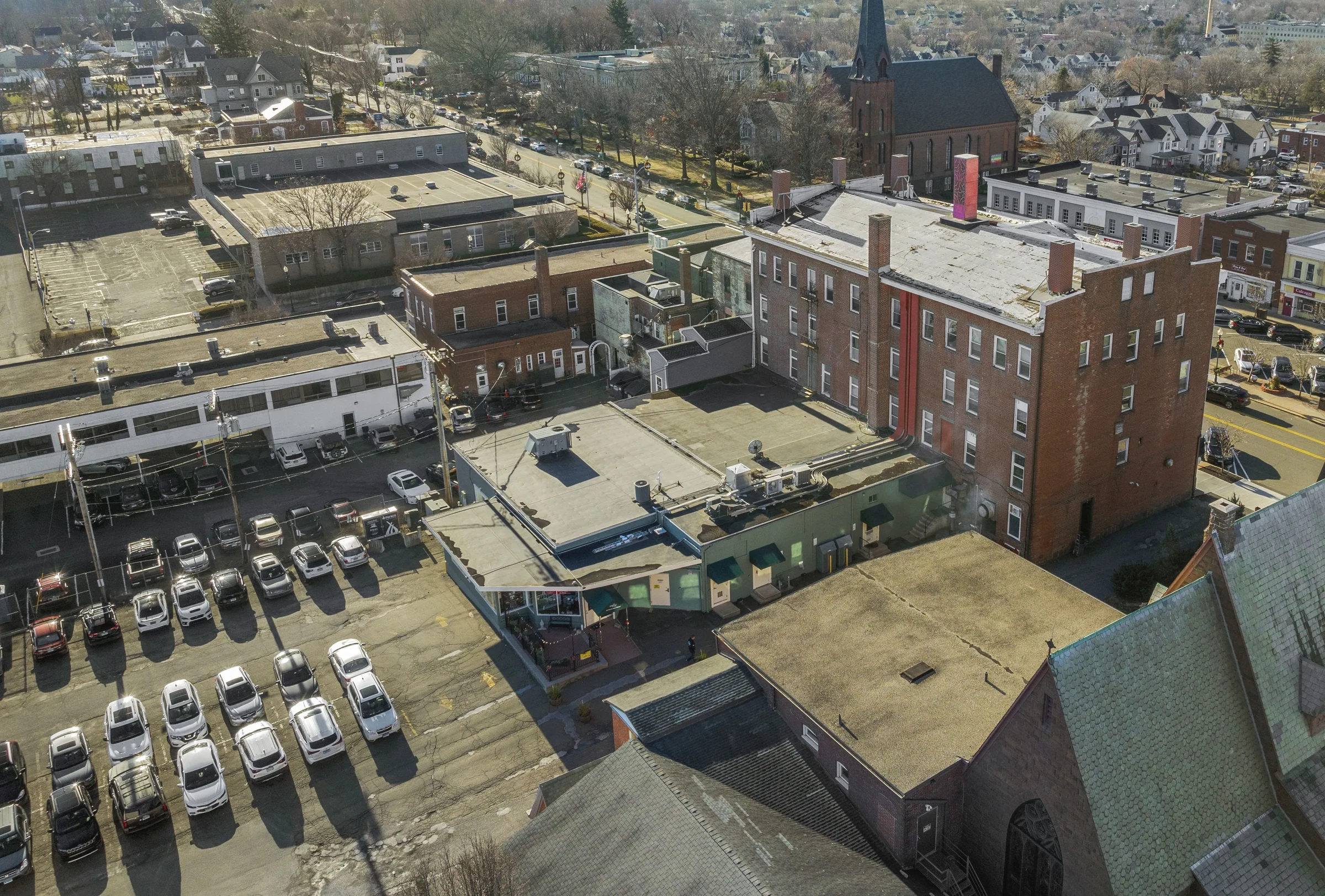
Big-Box Roofs From Southlands to Larkridge Run on Retail's Own Clock
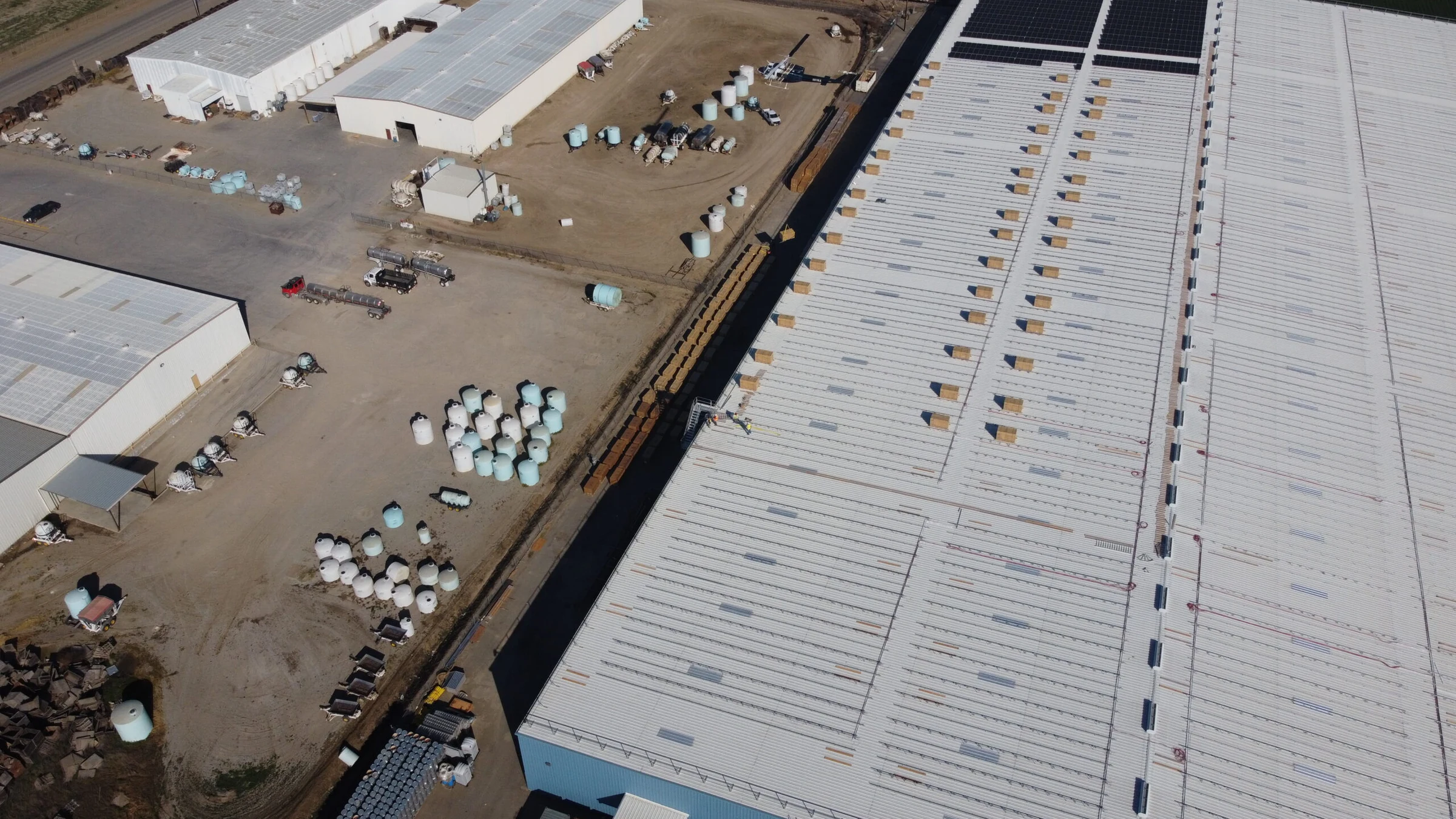
The big-box anchors at Southlands, Larkridge, and Prairie Center all carry the same roof profile, a huge single-story flat membrane over an open sales floor, and every one of them has a retailer upstairs who cares about exactly one thing during roof work: staying open.
Retail Operations Don't Stop for Roofing
A big-box store doesn't close for a reroof. That single fact drives almost every decision on these jobs, noise timing, material staging location, dust control over the sales floor, and a schedule that treats store hours as fixed rather than negotiable.
We schedule the loudest phases of tear-off for hours that match the tenant's actual traffic patterns, which for most retail anchors in this market means early morning before doors open rather than assuming nights work for everyone.
Store managers also care about a clean approach to the entrance every morning, since debris or staged material near a customer walkway reads as a maintenance problem to shoppers even when it's a normal part of an active roofing job. We coordinate daily cleanup timing to finish before the doors open, not whenever the crew happens to get to it.
Rooftop Unit Density on a Big-Box Building Is Higher Than It Looks
A 100,000-square-foot retail box carries a surprising number of rooftop units for HVAC zoning across departments, plus exhaust for any grocery or restaurant component, plus skylights that most big-box prototypes include for daylighting. Each one is a flashing detail, and flashing failures, not membrane failures, cause most big-box roof leaks we get called out for.
- Skylight seal condition, a leading leak source on prototype big-box roofs
- Rooftop unit curb flashing across the full mechanical schedule, not a sample count
- Loading dock canopy tie-ins, which take different wear than the main field
- Drainage capacity against the building's actual footprint and any additions
- Existing warranty terms if the building is still under original construction coverage
- Parapet and coping condition around the full perimeter
Landlord and Tenant Responsibilities Aren't Always Clear
In retail centers like Prairie Center and Larkridge, roof responsibility sometimes splits between the center's ownership and the anchor tenant depending on lease terms, and we've seen roof maintenance fall through the gap between those two parties more than once. We ask directly, before scoping, which party is responsible for which portion of the roof.
Recover Versus Replace on an Aging Big-Box Roof
Many big-box roofs in this market are original to construction from the 1990s and 2000s and are approaching or past their expected service life. We run the recover-versus-replace numbers honestly: a recover buys real years at a lower cost per square foot, but only where deck and insulation moisture content check out clean.
Inspection first, quote second, we don't price a recover before confirming what's actually under the existing membrane.
Seasonal Timing Around Retail's Calendar
Retailers in this market avoid roof work in the run-up to the holiday season, when foot traffic and inventory levels peak. We plan big-box reroof timelines around that calendar whenever the roof's condition allows scheduling flexibility, front-loading larger jobs into spring and summer.
Multi-Tenant Power Centers Add a Coordination Layer
Southlands and similar power centers often place a big-box anchor next to junior anchors and inline shop space under one center-wide property management structure, and roof access for the anchor sometimes runs adjacent to or shares drainage with the smaller stores next door. We map those shared drainage paths before scoping repair work, since a fix that solves ponding on the anchor's roof can occasionally push water toward a neighboring tenant's drain if it's not planned correctly.
Center management usually wants visibility into any anchor roof work that touches shared infrastructure, even when the anchor tenant is paying for and directing the project, so we loop in property management on scope and scheduling as a standard step rather than an exception.
We also document existing conditions on the roof edges shared with neighboring stores before we start, with photos, since a dispute over who caused new damage to a shared parapet or drain line is far easier to settle with a before-and-after record than with two contractors pointing at each other after the fact.
Big-Box Retail Roofing, the Questions That Come Up Most
Can a reroof happen without closing the store?
In nearly every case, yes. We work above an operating sales floor using interior protection and staged tear-off, and store closure is rarely necessary for standard reroof or repair work.
Who typically pays for roof repairs, the landlord or the tenant?
That depends entirely on the specific lease. We ask which party holds roof responsibility before scoping any work, since billing the wrong party creates problems for everyone.
How do you handle noise complaints from customers during business hours?
We schedule the loudest work, tear-off and fastening, for early morning hours before the store opens wherever the tenant's operating hours allow it.
What causes the most leaks on big-box retail roofs here?
Failed flashing around skylights and rooftop units, more often than membrane failure in the open field. Big-box roofs have a lot of penetrations for their size.
Is it worth reroofing before the holiday shopping season or after?
We generally recommend completing larger reroof work before the fall rush, since retailers strongly prefer no construction activity once holiday traffic and inventory levels ramp up.