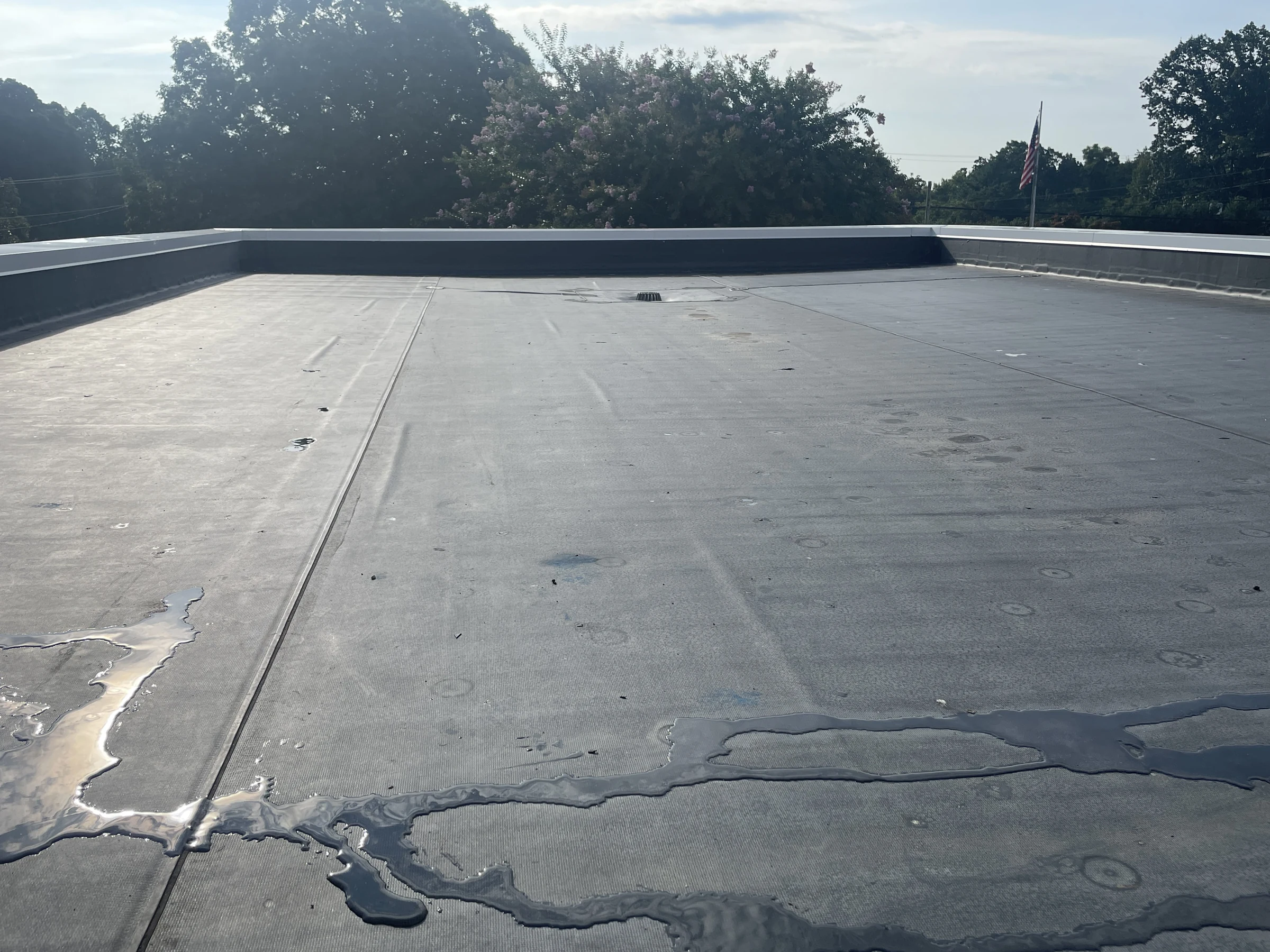
Reroofing Decisions for Aurora's Hail-Cycled Commercial Roofs
A reroofing decision on an Aurora commercial building is a budget decision first and a membrane decision second. The roof has to survive repeated hail seasons, sharp freeze-thaw swings, and whatever load the building underneath adds to the math, from a hospital wing near the Anschutz Medical Campus to a distribution shed off Peña Boulevard.
When Recover Still Pencils and When It Doesn't
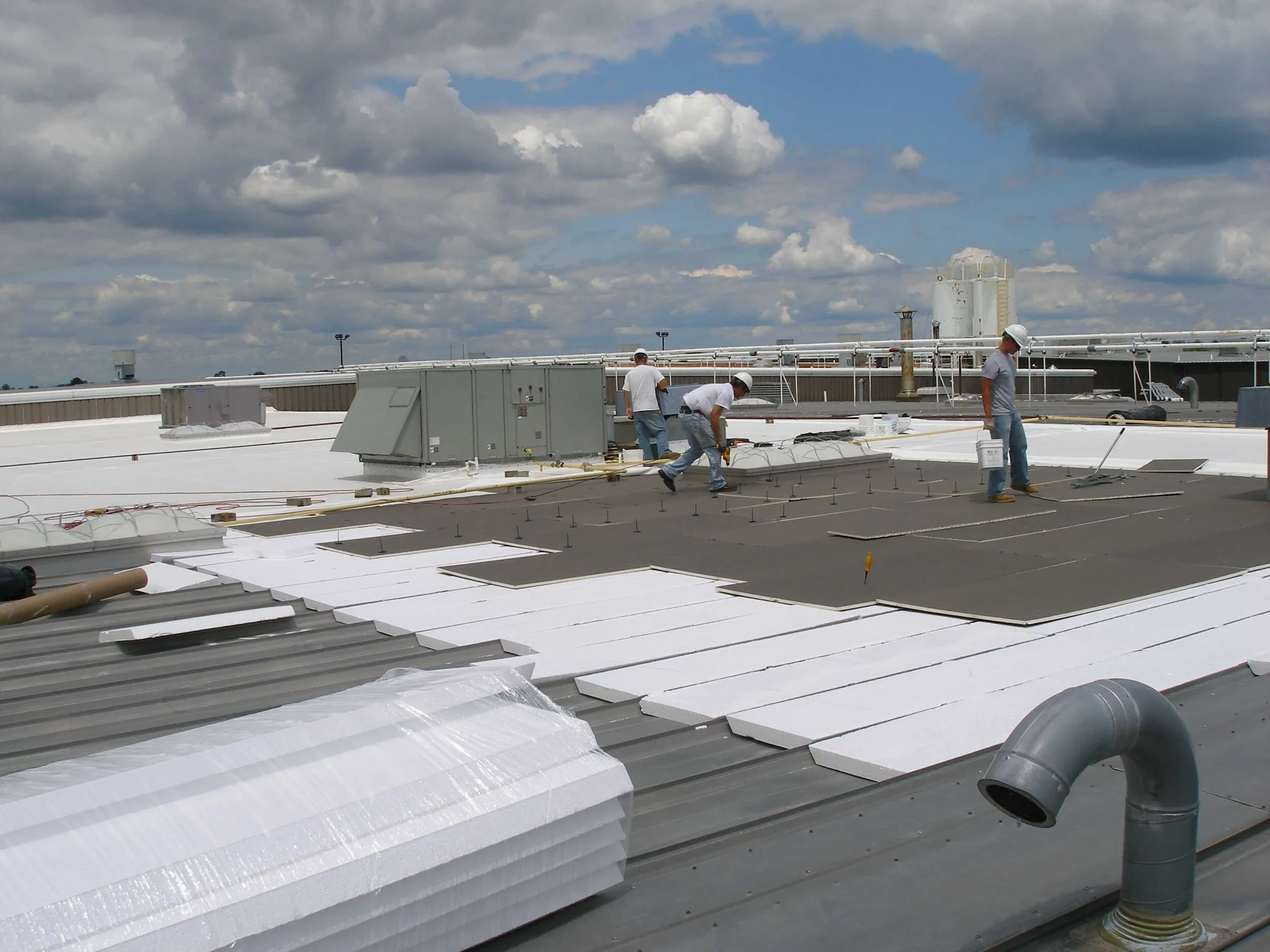
A roof recover system installed over an existing membrane can save real money against a full tear-off, but only when the roof underneath actually qualifies. We check for wet insulation, delaminated cover boards, and deck deflection before recommending recover over replacement, because covering a saturated substrate just delays the same repair at a higher eventual cost.
Aurora's swings between summer hail and winter freeze-thaw cycles punish insulation that's already holding moisture. A moisture scan across the field tells us more about whether recover is realistic than a visual walk ever will, and it's the first thing we run before pricing either path.
Where recover does qualify, current energy code often requires an added insulation layer on top of the existing assembly, which changes the roof's total thickness and can affect parapet height, door thresholds, and rooftop equipment curbs. We flag those clearance issues before the proposal goes out, not after materials arrive.
Reading a Roof's Real Age Against Its Hail History
A membrane's printed warranty term and its actual remaining service life are different numbers here. Aurora sits inside the stretch of the Front Range the insurance industry calls hail alley, and a roof that's taken three or four hail events over a fifteen-year warranty term is not aging the same as a roof in a milder market.
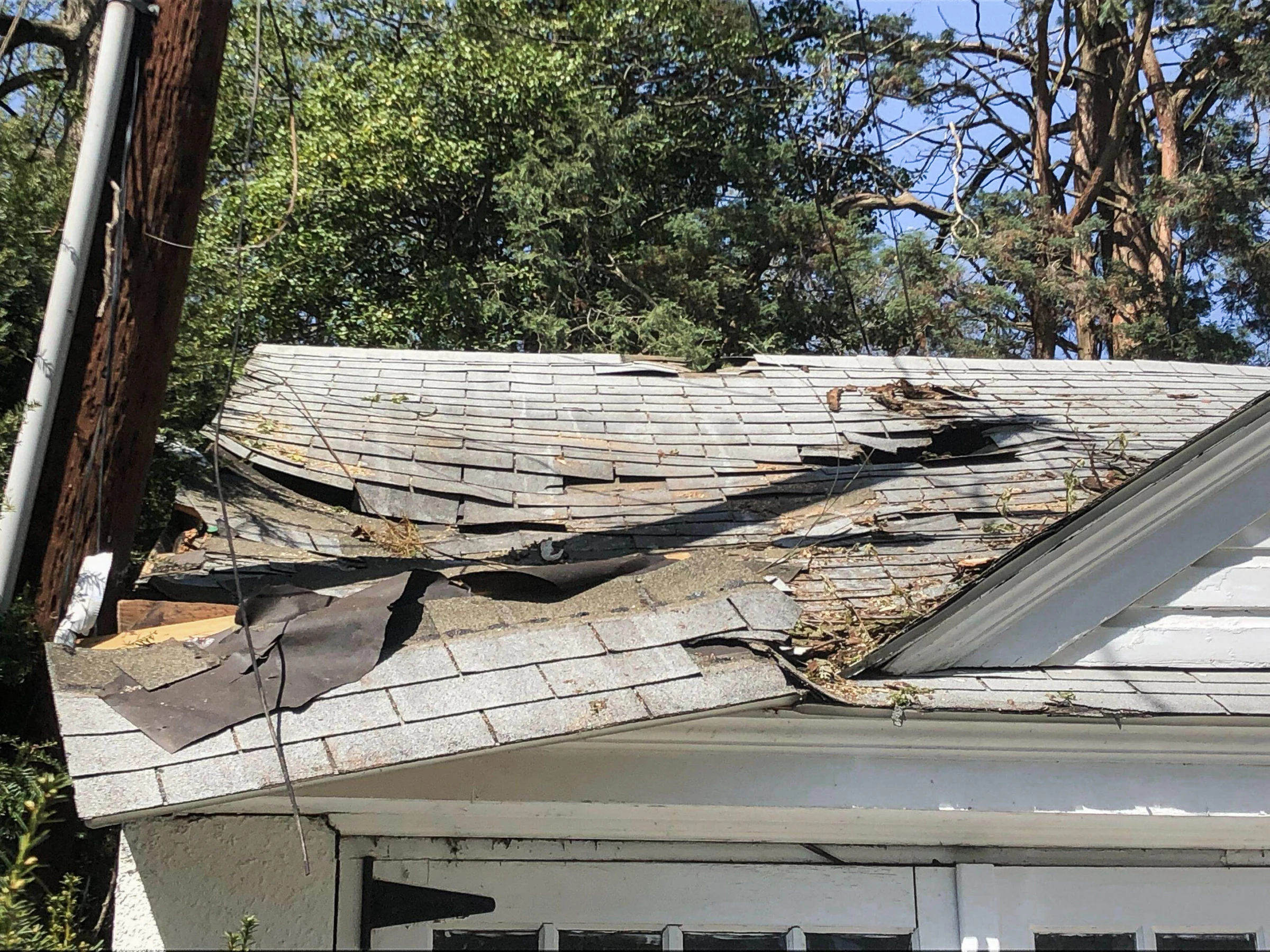
We look at granule loss, mat exposure, and impact bruising pattern density across the whole field, rather than only at one or two sample spots, because hail damage on single-ply and modified bitumen accumulates unevenly depending on slope and prevailing wind during each storm.
That accumulated damage is often the real driver behind a reroofing decision, more than calendar age alone. A twelve-year-old membrane that's absorbed repeated impact stress can need replacement sooner than a twenty-year-old membrane in a market that sees less hail.
Matching System to Building Type Across the Metro
A hospital or research building near Fitzsimons and the Anschutz Medical Campus needs a reroof scheduled around occupied wings, sensitive equipment below the deck, and infection-control access protocols, which changes the sequencing more than the membrane choice.
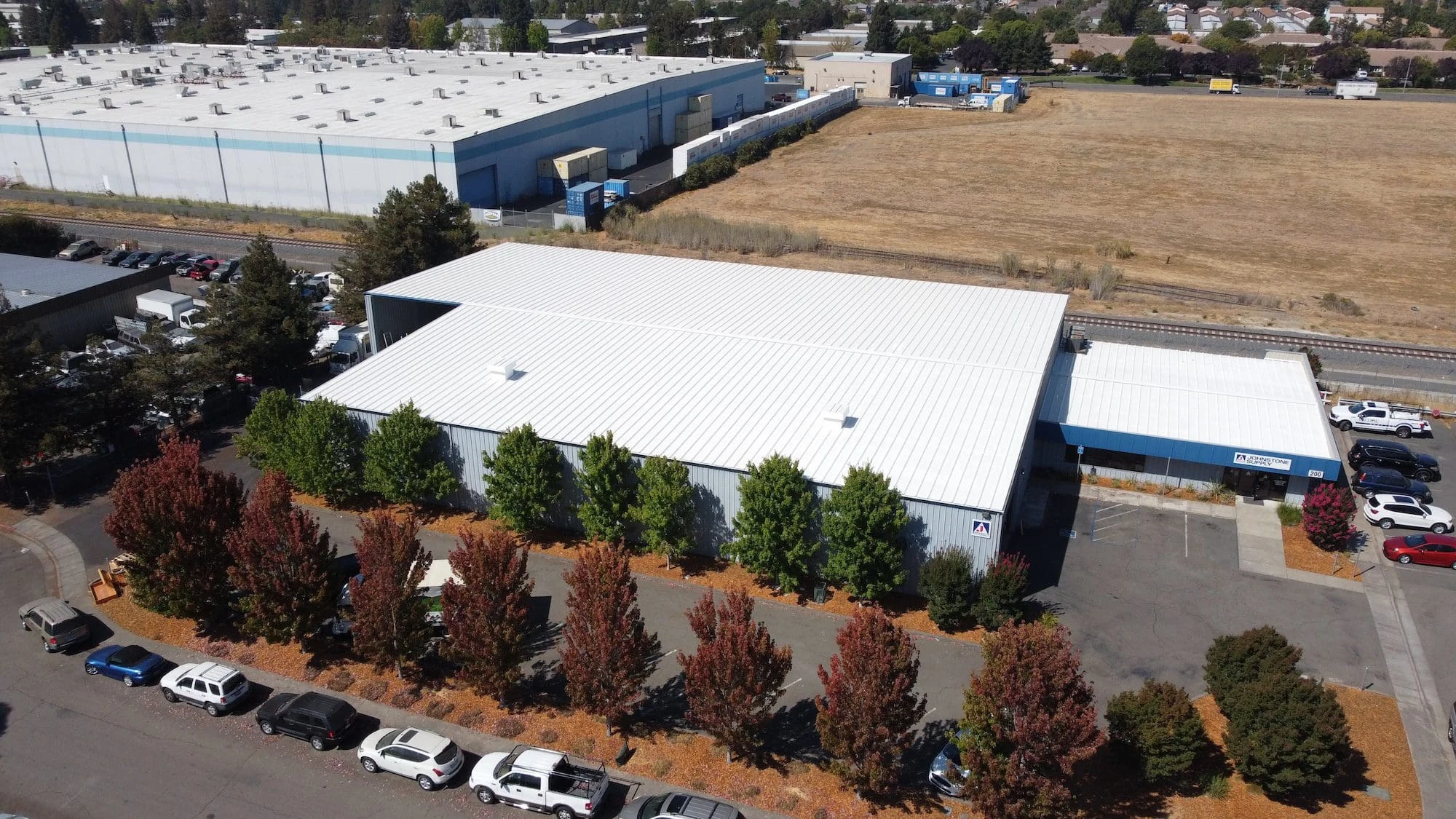
A warehouse or distribution building along the DIA corridor toward Peña Boulevard is usually a large, open field with fewer penetrations, where the math favors an efficient single-ply system installed in wide sheets with a minimal seam count, plus a drainage plan sized for sudden convective downpours.
A retail center near Southlands or a business park near Buckley Space Force Base has its own constraints, from tenant coordination and parking-lot staging to base access requirements. We scope the reroof around the building's actual operating pattern, not a generic project template.
- Tear-off versus recover assessment based on deck and insulation condition
- Moisture scan across the existing field before any recommendation
- Insulation R-value review against current energy code minimums
- Drain, scupper, and edge metal condition survey
- Phased scheduling around occupied space or restricted-access sites
- Membrane system selection matched to building use and roof geometry
- Warranty terms compared against expected hail exposure over the term
Sequencing a Reroof Around an Occupied Building
Colorado's dry season is short and unpredictable, and a hailstorm can move through with almost no warning even on a clear morning. We build reroof schedules with weather contingency built in rather than assuming a clean run of dry days, because a half-torn-off roof caught by a sudden storm is the worst version of this project.
On occupied campuses we phase the work section by section, closing off completed areas before opening the next, and we coordinate staging, material lifts, and noise-sensitive hours directly with building management rather than assuming a standard eight-to-five schedule works for every tenant.
Budgeting a Reroof Like a Capital Project
We talk about reroofing in lifecycle terms because that's how property managers and asset managers actually have to justify the spend. A cheaper membrane with a shorter realistic service life in a hail-heavy market can cost more over twenty years than a system with a higher installed price and a longer expected run before the next full replacement.
We lay out the material options side by side with their general durability characteristics, expected maintenance needs, and warranty structure, so the decision gets made against the building's holding period and budget cycle rather than against sticker price alone.
For buildings with multiple deferred maintenance items stacked up, we help rank which repairs are truly urgent, which can wait for the next budget cycle, and which should get folded into the reroofing scope itself rather than handled as a separate line item later.
What Owners Ask Before Approving a Reroof
How do you decide between a recover system and a full tear-off?
It comes down to what we find underneath the existing membrane. If the insulation is dry, the deck is sound, and code allows it, recover can be the more economical path. If we find trapped moisture or deck deterioration, we'll recommend tear-off even if it costs more up front, because covering a bad substrate just moves the problem down the road.
How long does a typical commercial reroof take in this market?
Timeline depends on roof size, system type, and access, but weather is the biggest variable here. We build extra days into the schedule for Aurora's hail season specifically, since a storm can pause a tear-off with little notice.
Will you upgrade insulation as part of a reroof?
Where current energy code requires it, or where the existing R-value is clearly under-performing, yes. We review that against code minimums early so it's priced into the original proposal rather than surfacing as a change order mid-project.
Can you reroof a building while it stays occupied?
In most cases, yes. We phase the work, seal off completed sections daily, and coordinate noise and staging with building management. Hospital and lab buildings need the most careful sequencing, and we plan those jobs around occupied-space protocols from the start.
How do you handle a hailstorm that interrupts a reroof in progress?
We keep temporary protection materials on site during hail season specifically for this reason. If a storm moves through mid-project, the crew's first job is securing any open area before assessing whether the storm added new damage to the scope.