Acrylic Coatings for Metal Roofs Without a Ponding Problem
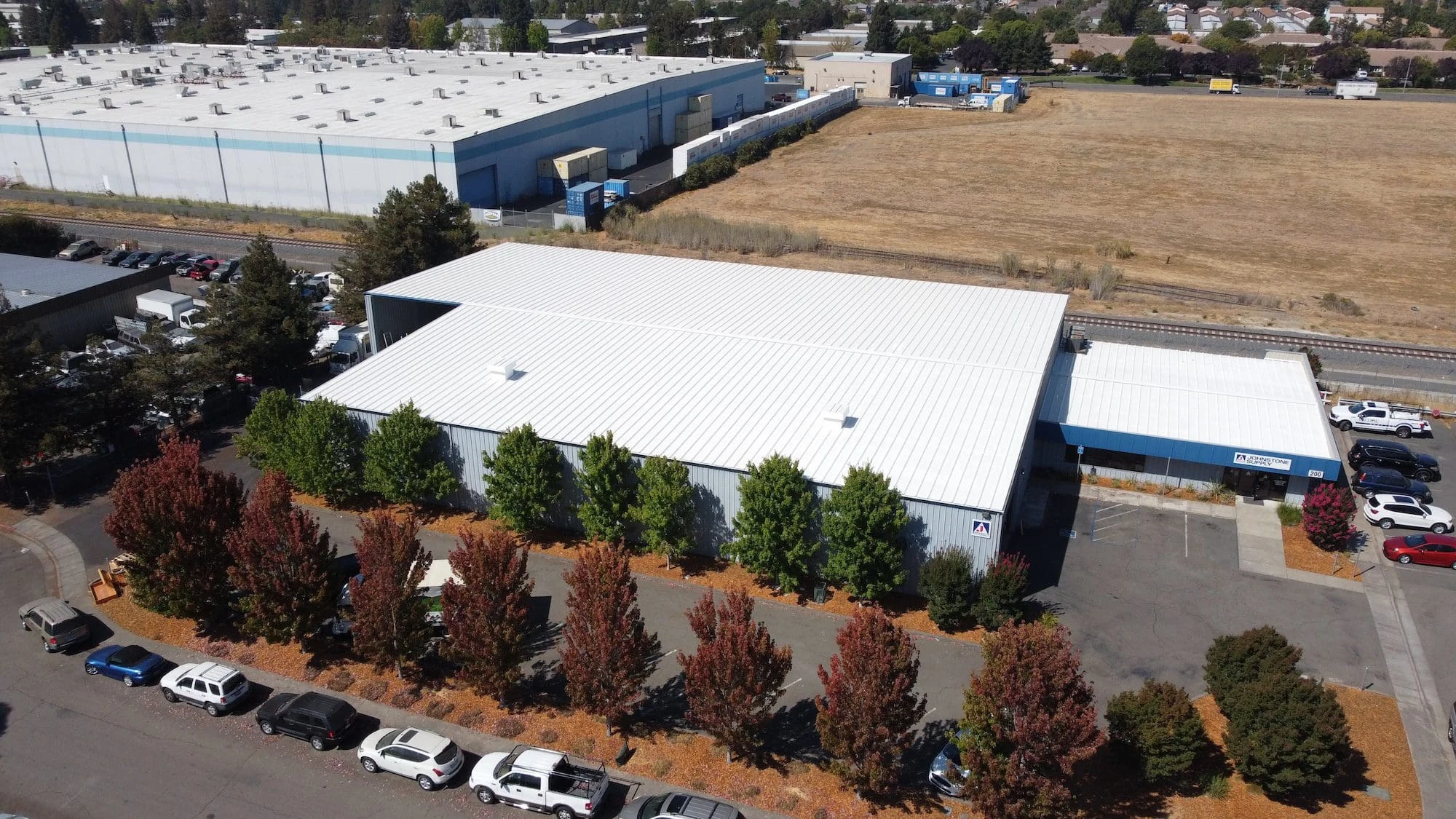
A coating recommendation starts with adhesion, moisture, drainage, membrane condition, detail preparation, and warranty eligibility-not every existing roof is a restoration candidate. Out toward Bennett, Elizabeth, and the ag and light-industrial buildings scattered through that part of the territory, most roofs are metal -- R-panel, older standing seam, corrugated -- with no low spots holding water the way a flat membrane roof does. Acrylic coating fits that building type well, and it costs less than silicone for a roof that doesn't need silicone's ponding resistance. We spec it the same way regardless of whether the panel underneath is R-panel or an older standing seam profile, since the coating chemistry cares about the metal surface, not the panel style.
Why Acrylic Fits Metal Roofs Better Than Membrane Roofs
Acrylic coatings bond well to metal panel surfaces and give a substantial reflectivity boost over bare or faded factory paint, cutting roof surface temperature on a summer afternoon and slowing the coating and rust cycle that eventually eats through unprotected panel edges and fasteners.
On a flat single-ply roof with ponding water, acrylic's weakness shows up fast -- prolonged moisture exposure breaks it down faster than silicone. That's exactly why we don't default to acrylic on business park membrane roofs the way we do on metal buildings out on the plains, where drainage off a sloped or gabled roof isn't a concern.
Cost per square foot is where acrylic earns its place in the budget. On a large gabled metal building where the roof sheds water fast and never ponds, paying a silicone premium buys resistance to a problem the roof doesn't actually have. We'd rather put that budget difference toward a heavier coating thickness or a more thorough rust treatment pass instead.
What an Acrylic Coating Actually Restores
Reflectivity and rust protection are the two things acrylic buys an owner on an aging metal roof. Faded, chalking factory paint on an older R-panel building stops reflecting UV the way it did when new, and exposed rust spots at scratches or fastener heads are where corrosion actually starts eating into panel steel.
- Older R-panel and corrugated metal roofs with faded or chalking paint
- Rust starting at panel scratches or fastener penetrations
- Buildings without ponding water or standing moisture exposure
- Owners looking to extend a metal roof's service life on a limited budget
- Roofs needing a reflectivity upgrade to reduce interior heat load
We wire-brush and treat active rust spots before coating rather than sealing corrosion under a fresh layer, since coating over active rust just hides a problem that keeps working underneath.
Interior heat load matters more on occupied ag and shop buildings than most owners expect. A metal roof with a reflective acrylic topcoat runs noticeably cooler on the inside during a summer afternoon, which can take real pressure off ventilation fans or a swamp cooler system in a building without full air conditioning.
Acrylic vs Silicone: The Cost Comparison That Matters Out Here
Acrylic costs less per square foot than silicone, and on a sloped metal roof with no ponding water, that lower cost isn't buying away any real performance the building needs. We'd only recommend silicone on a metal roof if there's a specific low-slope section or valley where water actually sits.
The math flips on flat single-ply roofs, where silicone's ponding resistance is worth the premium. See our silicone coatings page for that side of the comparison.
We walk an owner through both cost lines side by side rather than quoting a single option, since the right call sometimes changes mid-project if a roof turns out to have a low-slope section we didn't catch from the ground during the initial estimate.
Prepping a Metal Roof for Acrylic Coating
Surface prep determines whether a coating job lasts or peels within a couple seasons. We wash the panel field to remove chalking and debris, treat rust spots, and check fastener condition before any coating goes down, since a coating applied over loose screws or active corrosion doesn't hold regardless of the product used.
Seam and lap joint condition gets checked at the same time. A coating restores the panel surface, but it isn't a substitute for resealing a failing lap joint or replacing a badly corroded panel section outright.
Application timing matters on a working ag or ranch building where the roof can't come out of service for long. We schedule coating work around the building's actual use -- avoiding harvest season on a grain facility, for instance -- rather than treating every roof on the calendar the same way.
Questions About Acrylic Coatings on Metal Roofs
How long does an acrylic coating last on a metal roof?
Service life depends on exposure and prep quality, but a properly applied acrylic coating on a well-prepped metal roof holds up for years before a recoat is needed.
Can acrylic coating fix a rusted metal roof?
It can protect a roof with early-stage surface rust after that rust is treated and removed, but it won't restore structural integrity to panels that are already badly corroded through.
Why wouldn't you use acrylic on a flat membrane roof?
Acrylic breaks down faster than silicone under prolonged standing water, which is common on flat roofs with drainage issues. Silicone is the better fit there.
Does acrylic coating help with hail resistance on metal panels?
Not meaningfully. It restores reflectivity and rust protection but doesn't change how a panel responds to impact from hail.
Do you need to strip old paint before applying acrylic coating?
Usually not full stripping, but we do wash and treat the surface thoroughly, since coating adhesion depends on a clean, chalk-free panel underneath.