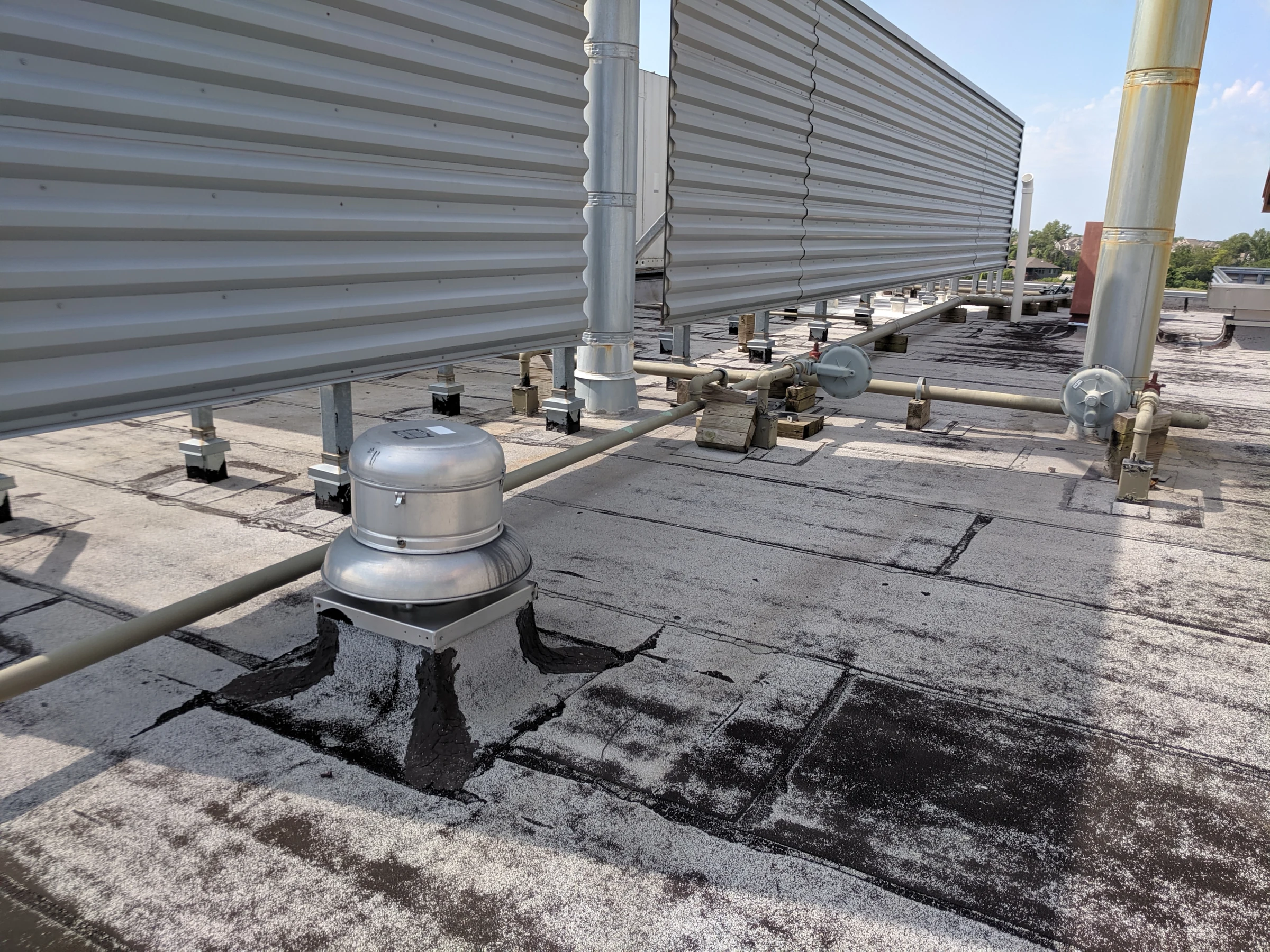
SBS Modified Bitumen for Municipal and High-Traffic Roofs
SBS modified bitumen is the multi-ply system we spec when a roof needs redundancy more than it needs a single premium membrane, and that comes up often on municipal buildings and older institutional roofs around Aurora with heavy mechanical traffic.
Redundancy Built Into the Assembly
Unlike a single-ply membrane, an SBS system is built from a base sheet and a cap sheet, torch-applied, hot-mopped, or self-adhered depending on the deck and fire-code constraints for that building. That multi-ply structure means a single puncture or seam defect does not automatically become a leak path straight to the deck the way it can on a one-layer system. For a municipal building or a roof with regular technician traffic to service equipment, that redundancy is worth more than a lighter, single-ply spec.
SBS Versus APP: Why the Rubber-Modified Version
Modified bitumen comes in two chemistries: SBS, a rubber-modified asphalt, and APP, a plastic-modified asphalt. SBS stays flexible at low temperatures because of its rubber modification, where APP tends to become more heat-dependent and less forgiving in cold weather. Given Colorado's freeze-thaw cycling, we spec SBS on nearly every modified bitumen job in this market rather than APP, specifically because the membrane needs to flex through repeated temperature swings without cracking at seams and flashings.
Granulated Cap Sheets and Hail Response
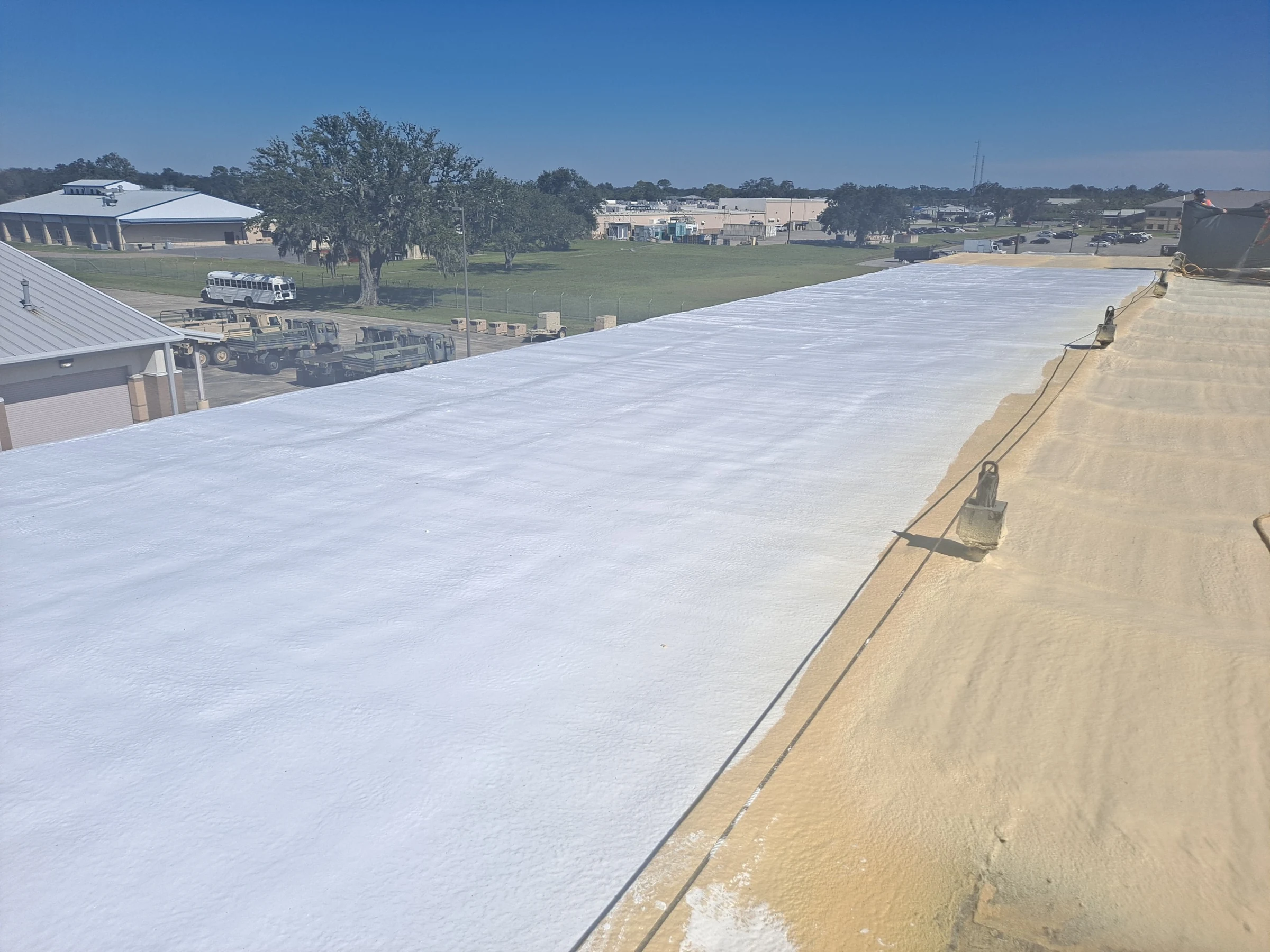
The mineral-granule surfacing on an SBS cap sheet disperses impact energy differently than a smooth membrane surface. Hail testing standards including UL 2218 and ASTM D3746 apply to modified bitumen roofing the same way they apply to single-ply membranes, and granulated cap sheet products are available in higher impact-resistance ratings when paired with an appropriate base sheet and insulation package. We confirm the full assembly rating rather than assuming granule surfacing alone carries a rating on its own.
Where This System Fits Around Aurora
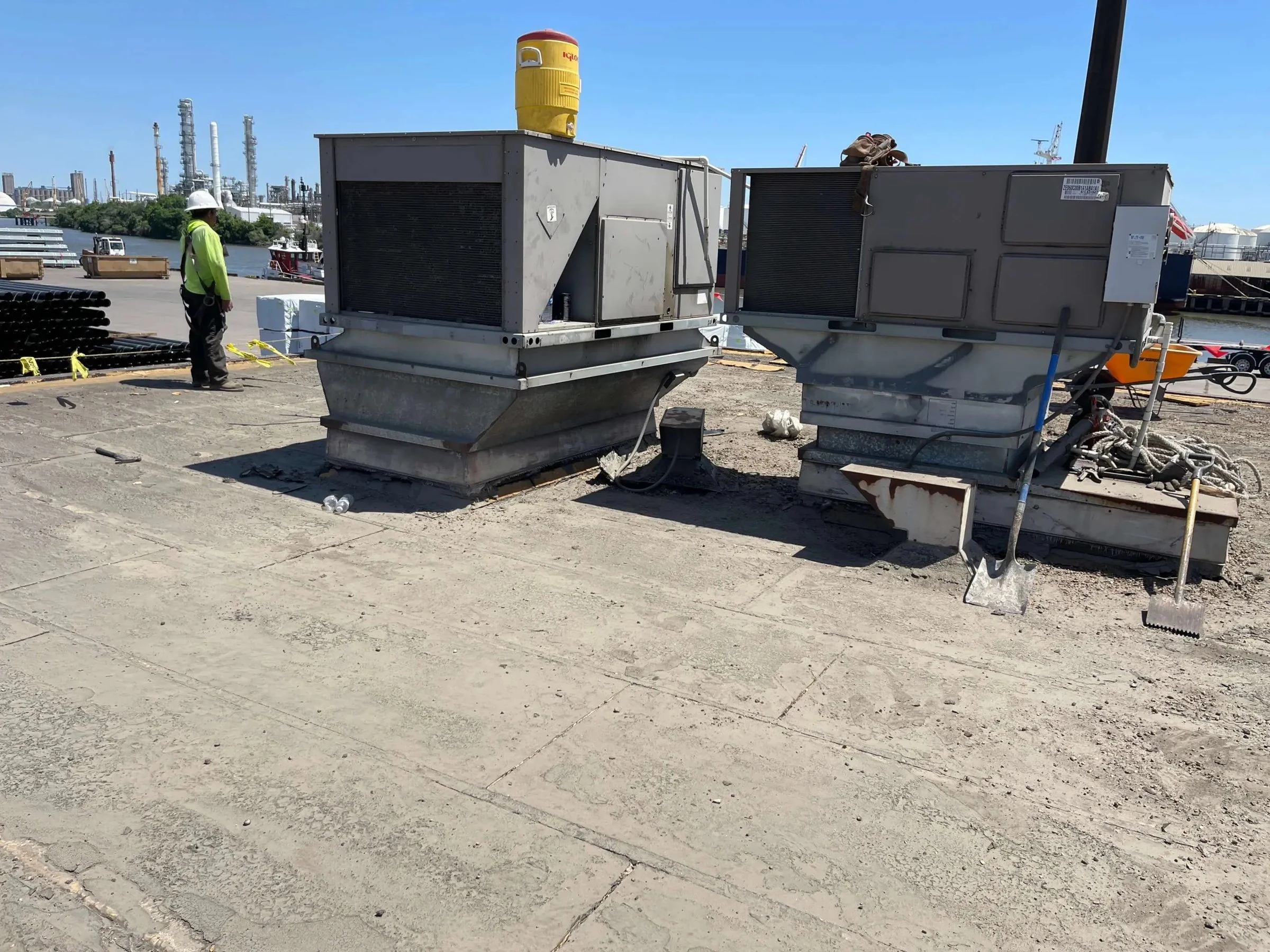
Municipal and government-adjacent buildings, along with facilities near Buckley Space Force Base that carry similar institutional roof profiles, tend to have mechanical rooms, communication equipment, and regular maintenance traffic directly on the roof surface. Multi-ply SBS holds up to that foot traffic better than a thinner single-ply membrane in the same high-traffic zones, and it is a system we have specified on flex-industrial buildings around Dove Valley for the same traffic-durability reason.
- Municipal, government, and public-safety buildings with regular rooftop equipment servicing
- Institutional buildings with older, heavier existing roof assemblies
- Flex-industrial buildings with frequent mechanical or antenna access
- Roofs where multi-ply redundancy outweighs single-ply weight savings
- Buildings with fire-code constraints that limit torch application methods
Application Method and the Budget Conversation
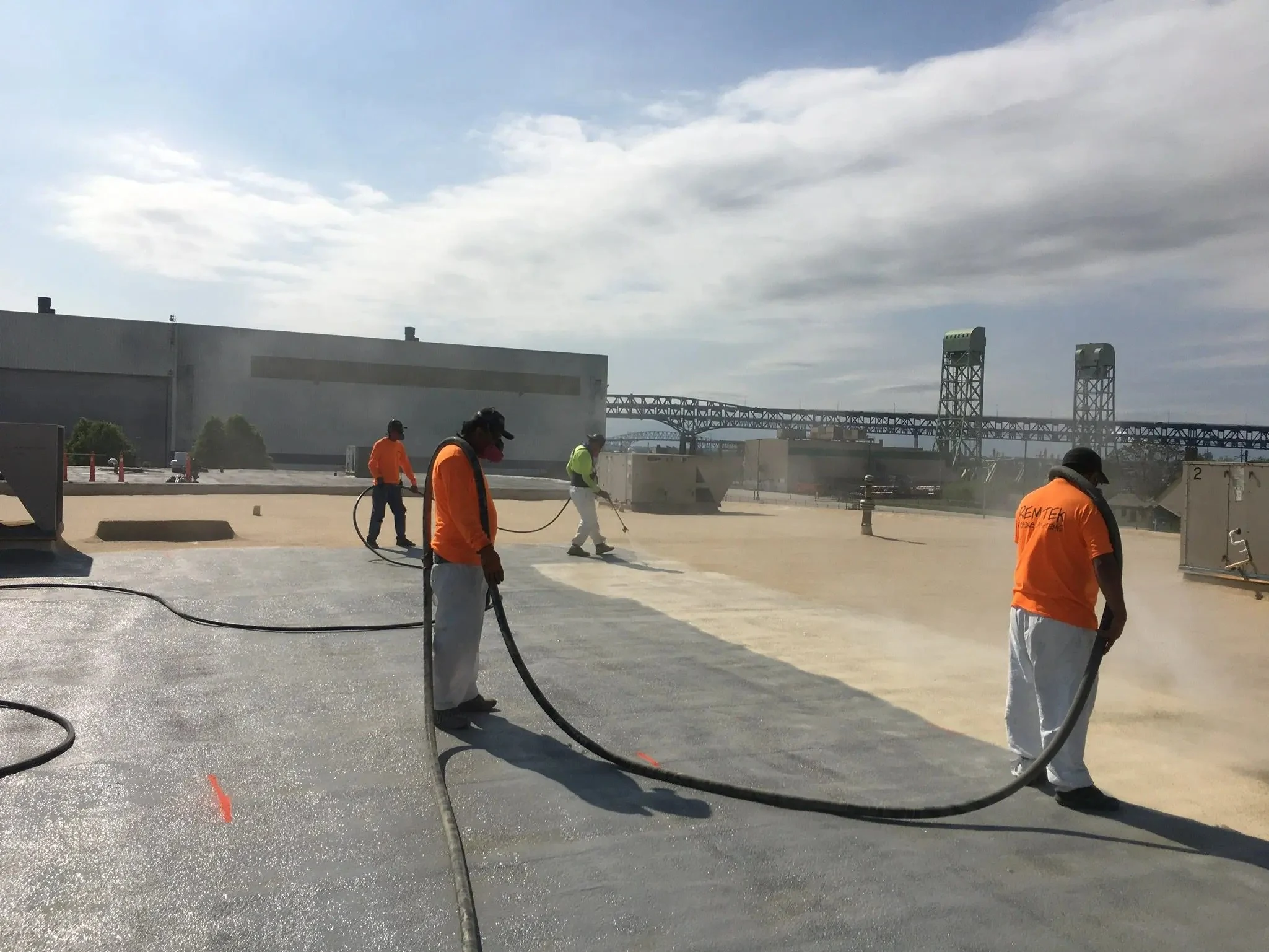
Torch-applied SBS is generally the most economical application method but carries fire-watch and code restrictions on some buildings, particularly those with sensitive interior contents or occupied space directly below the deck. Self-adhered and cold-applied SBS systems avoid open flame on the roof but price higher per square foot for the material itself. We walk the fire-code and occupancy constraints for the specific building before recommending an application method, since that decision affects both the bid number and what the local fire marshal will sign off on.
Multi-ply systems generally run a higher material cost per square foot than a comparable single-ply membrane, but the redundancy can reduce emergency repair frequency on high-traffic roofs enough to change the lifecycle number over a fifteen-to-twenty-year hold.
Detailing Around Rooftop Antennas and Mechanical Curbs
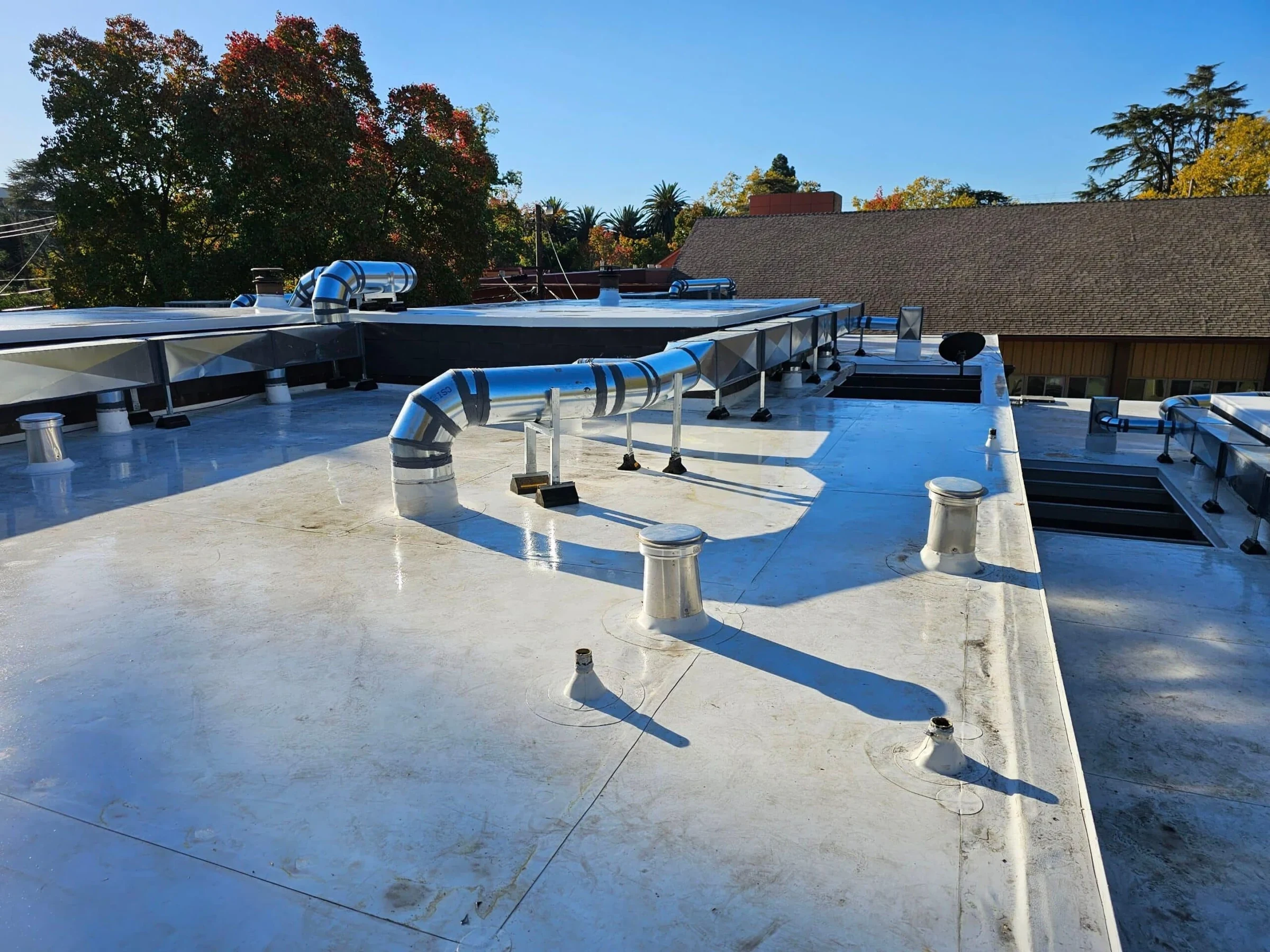
Municipal and public-safety buildings often carry communication antennas, dish mounts, and mechanical curbs added over years of incremental upgrades, and each of those penetrations is a potential leak point on any roof system. SBS detail work around these penetrations relies on hand-formed flashing built up in layers rather than a single factory-formed boot, which takes more field labor but lets us build a flashing detail that matches an irregular curb or an odd-angled mount exactly.
We inventory every rooftop penetration before pricing a modified bitumen reroof on a building with this kind of accumulated equipment, since the flashing labor at each point adds up faster than the field membrane cost on a roof with a high penetration count. Abandoned or unused penetrations get removed and properly patched rather than flashed around as if they still served a purpose. That cleanup work is a small line item compared to the rest of the reroof, but skipping it leaves weak points in an otherwise solid new roof.
SBS Modified Bitumen Questions
Is SBS better than APP modified bitumen for Colorado roofs?
For this climate, yes, generally. SBS's rubber modification keeps it flexible through freeze-thaw cycling better than APP's plastic modification.
Can torch-applied SBS be used on any building?
No. Fire code and occupancy restrict torch application on some buildings. We confirm what the local fire marshal allows before recommending that method.
How does SBS compare to TPO for a roof with heavy foot traffic?
SBS's multi-ply, granulated surface generally tolerates repeated foot and equipment traffic better than a thinner single-ply membrane in the same zones.
Does SBS modified bitumen carry a hail-impact rating?
Granulated SBS cap sheets are available in tested, rated assemblies when paired with the correct base sheet and insulation. We confirm the full rated assembly rather than assuming the cap sheet alone carries a rating.
Is SBS more expensive than a single-ply membrane?
Material cost per square foot generally runs higher for a multi-ply system. We weigh that against the redundancy benefit and expected traffic on the specific roof before recommending it, and we present both options on the estimate when the building could reasonably go either way.