Hotels Along the E-470 and Pena Boulevard Belt Can't Take Rooms Offline
The hotel corridor feeding Denver International Airport along E-470 and Pena Boulevard runs almost entirely on occupancy. Every night a room sits closed for construction is revenue the property doesn't get back, and that reality drives how we price and schedule hospitality roofing differently than any other commercial segment.
Revenue-Per-Night Math Belongs in the Roofing Estimate
A hotel general manager doesn't think in cost per square foot the way an industrial property owner does, they think in rooms out of inventory per night. We translate our schedule into that language during the estimate: how many rooms, if any, need to close during work, and for how long, so the GM can weigh that against the roof's condition honestly.
On most flat-roof hotel reroofs, no rooms need to close at all since work happens entirely above the roof deck. The exception is properties with rooftop pool decks, amenity spaces, or top-floor penthouse suites directly under active tear-off.
When rooms do need to close, we sequence in small blocks and hand the property a firm reopening date rather than a range, since a hotel's booking system needs a hard date to stop selling those rooms and a hard date to start selling them again.
Brand Standards Add a Layer Standard Commercial Work Doesn't Have
Flagged hotels running under a major brand carry property improvement plan requirements that can dictate specific materials, colors, or warranty terms beyond what code requires. We review brand standard documentation alongside the building's actual roofing needs before finalizing a spec, since a technically sound roof that doesn't meet brand requirements creates a problem at the next franchise inspection.
Pool Decks and Amenity Roofs Take Different Chemistry Exposure
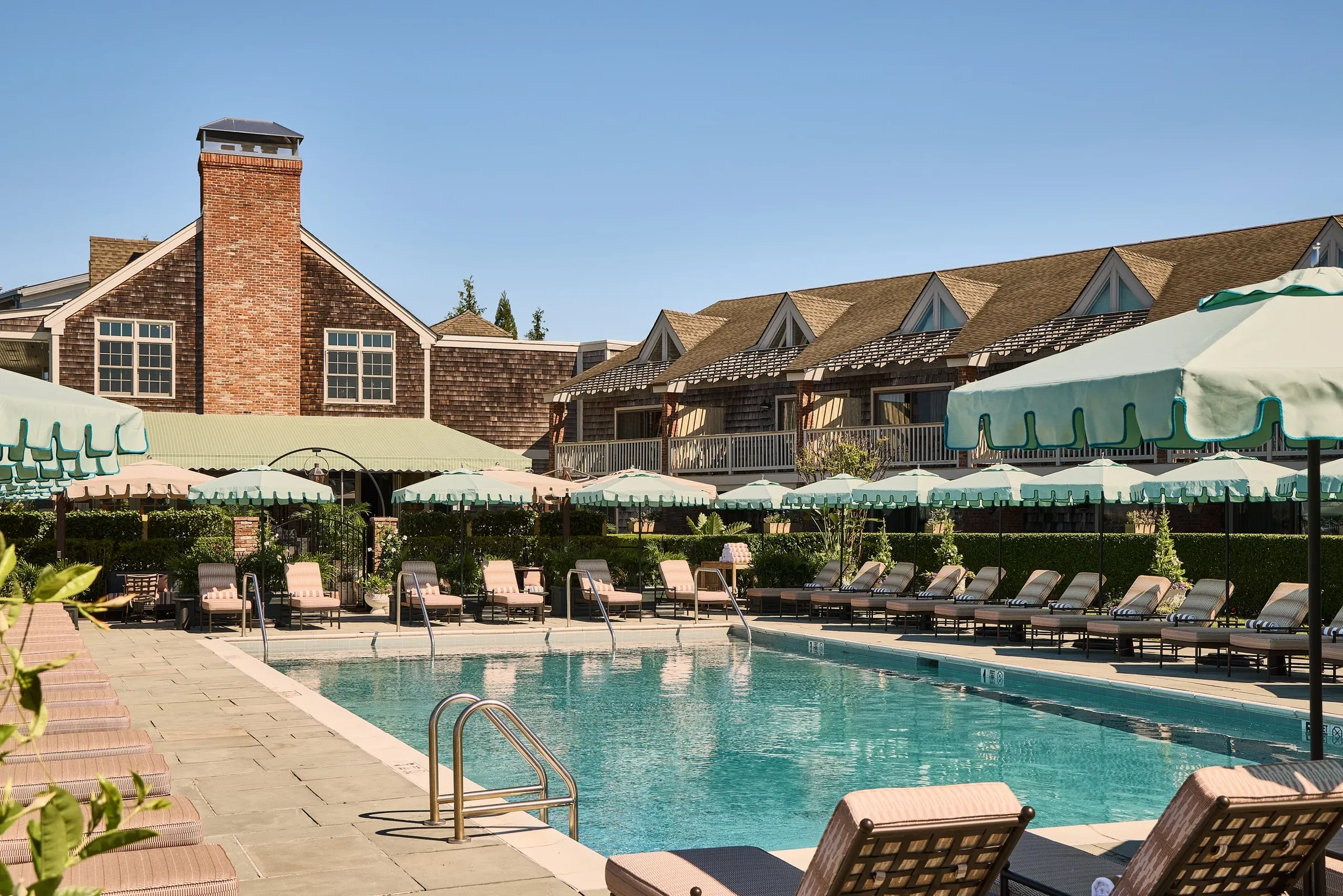
Rooftop and elevated pool decks common at newer hospitality builds near DIA see chlorine and chemical exposure that a standard commercial roof never encounters, which accelerates wear on standard membrane if it's not specced for that environment. We detail these areas with chemical-resistant coating systems rather than standard TPO where pool chemical exposure is a factor.
- Guest room count directly beneath any planned tear-off zone
- Rooftop mechanical serving individual room HVAC units versus central plant
- Pool deck and amenity area chemical exposure and coating condition
- Brand improvement plan requirements if the property operates under a franchise flag
- Noise timing windows that respect guest sleep hours as much as business hours
- Parking structure roof condition on properties with structured parking below rooftop amenities
Noise Timing Is a Guest Experience Issue, Not a Simple Schedule Detail
Tear-off and fastening noise during guest sleeping hours generates complaints fast in a hotel, and complaints turn into refunds and review damage that cost the property more than the roofing delay would. We schedule the loudest phases for mid-morning through early afternoon, avoiding both early morning and evening guest hours wherever the roof's condition allows that flexibility.
Storm Damage Response on an Occupied Property
Fast temporary protection after hail damage to a hotel roof near this corridor prevents water intrusion into occupied guest rooms below, since a leak reaching a paying guest's room becomes a much bigger problem than the roof damage itself.
New Construction Keeps Adding Rooms to This Corridor
The hotel belt along E-470 keeps adding new properties as air travel and DIA-adjacent business traffic grow, and that new-construction work runs on a completely different timeline pressure than reroof work on an established property. A developer's opening date is fixed to marketing and franchise commitments, so we treat new hotel roofing as schedule-critical from the first day of mobilization rather than a flexible line item that can slip if weather or material delays hit.
We also see more of these new builds specifying standing seam metal accent roofing over porte-cochere entrances and amenity structures alongside the main low-slope field, which means coordinating two different trades and two different material lead times under one project schedule.
General contractors bringing us onto a new hotel build early, during design development rather than after the roof spec is locked, get more flexibility to value-engineer the assembly against the franchise's brand requirements before those decisions get poured into a submittal package that's expensive to revise later.
What Hotel Ownership and General Managers Ask Before Booking a Roof Job
Will any guest rooms need to close during a reroof?
On most standard flat-roof hotel buildings, no. Rooms only need to close if they sit directly beneath active tear-off, which is uncommon outside of top-floor suites under specific work zones.
Do you work with hotel brand standards and property improvement plan requirements?
Yes, we review the property's brand documentation alongside the physical roof condition before finalizing material and detail specs, so the finished roof passes both code and franchise inspection.
Can roof work happen without disturbing guests overnight?
We schedule the loudest work for daytime hours and avoid early morning or evening noise windows specifically because of guest sleep patterns.
How do you handle pool deck roofing differently than the main building roof?
Pool decks and amenity areas see chemical exposure from pool chemicals that standard membrane isn't built for, so we spec chemical-resistant coating systems in those specific zones.
What's the fastest response time for storm damage to an occupied hotel?
We prioritize temporary dry-in and protection on occupied hospitality properties immediately after a storm event, since water intrusion into guest rooms compounds the damage cost fast.