Wind & Storm Damage Roof Insurance Claims in Aurora, CO
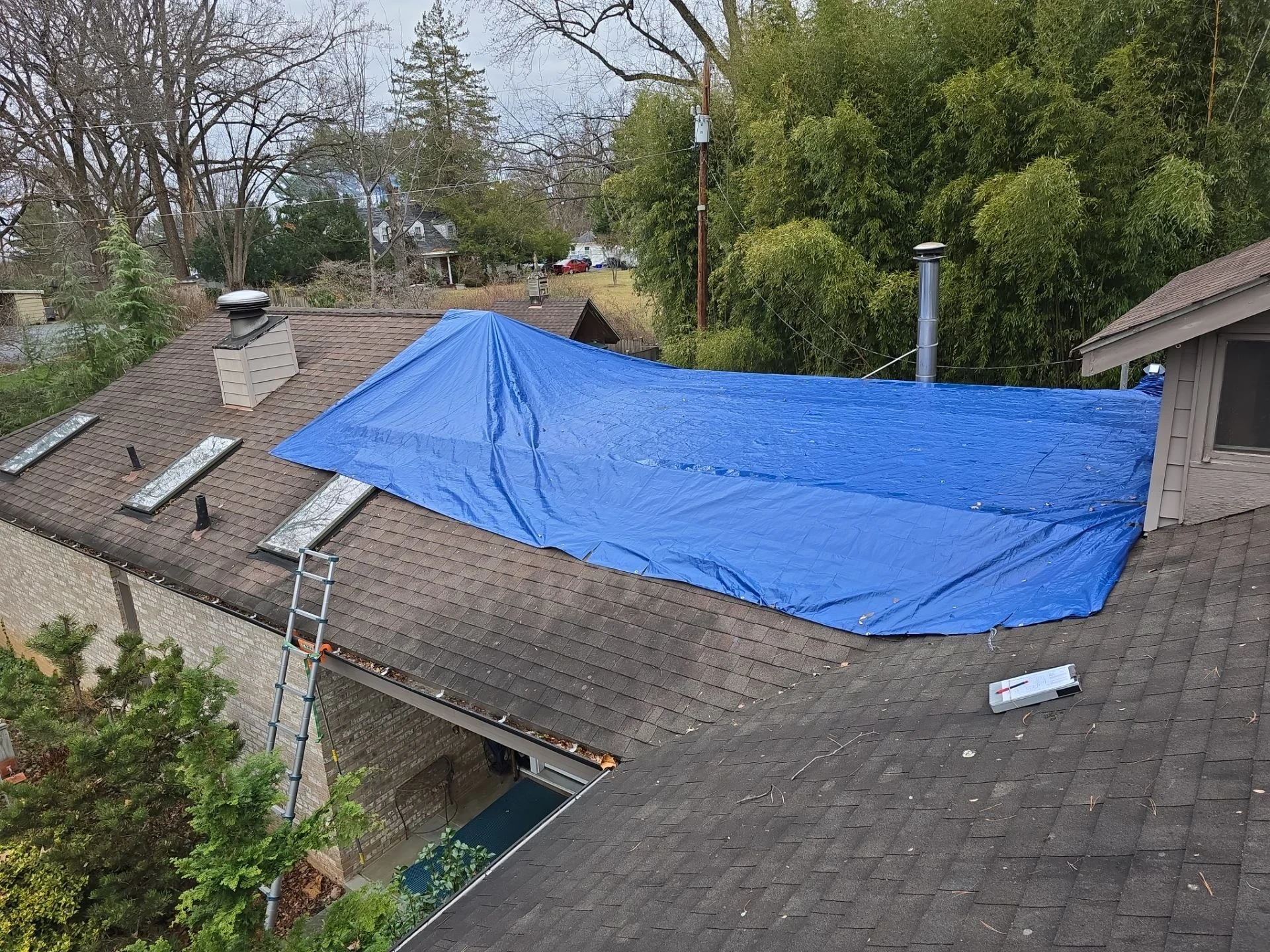
Wind claims get less attention than hail in this market, but they're not rare. Between the chinook windstorms that come off the Front Range in the colder months and the severe summer thunderstorms that build over the plains, Aurora's commercial roofs take wind loading from two very different weather patterns in the same year, and a wind claim has to account for which one actually caused the damage.
Two Different Wind Events, Two Different Damage Patterns
A chinook windstorm arrives with sustained high wind and gusts that can hold for hours, sometimes with little rain involved at all. That kind of event stresses membrane edges and mechanically fastened systems through prolonged uplift rather than a single sharp impact, and it can hit any time of year, including winter months when a building owner isn't necessarily thinking about storm damage.
A summer thunderstorm brings a different profile: shorter, more violent wind gusts often paired with hail, sometimes with a defined damage path that hits some buildings on a block harder than others. Distinguishing which event caused a specific piece of damage matters for the claim, especially if a roof has been through more than one wind event in a short window.
Where Wind Damage Actually Starts
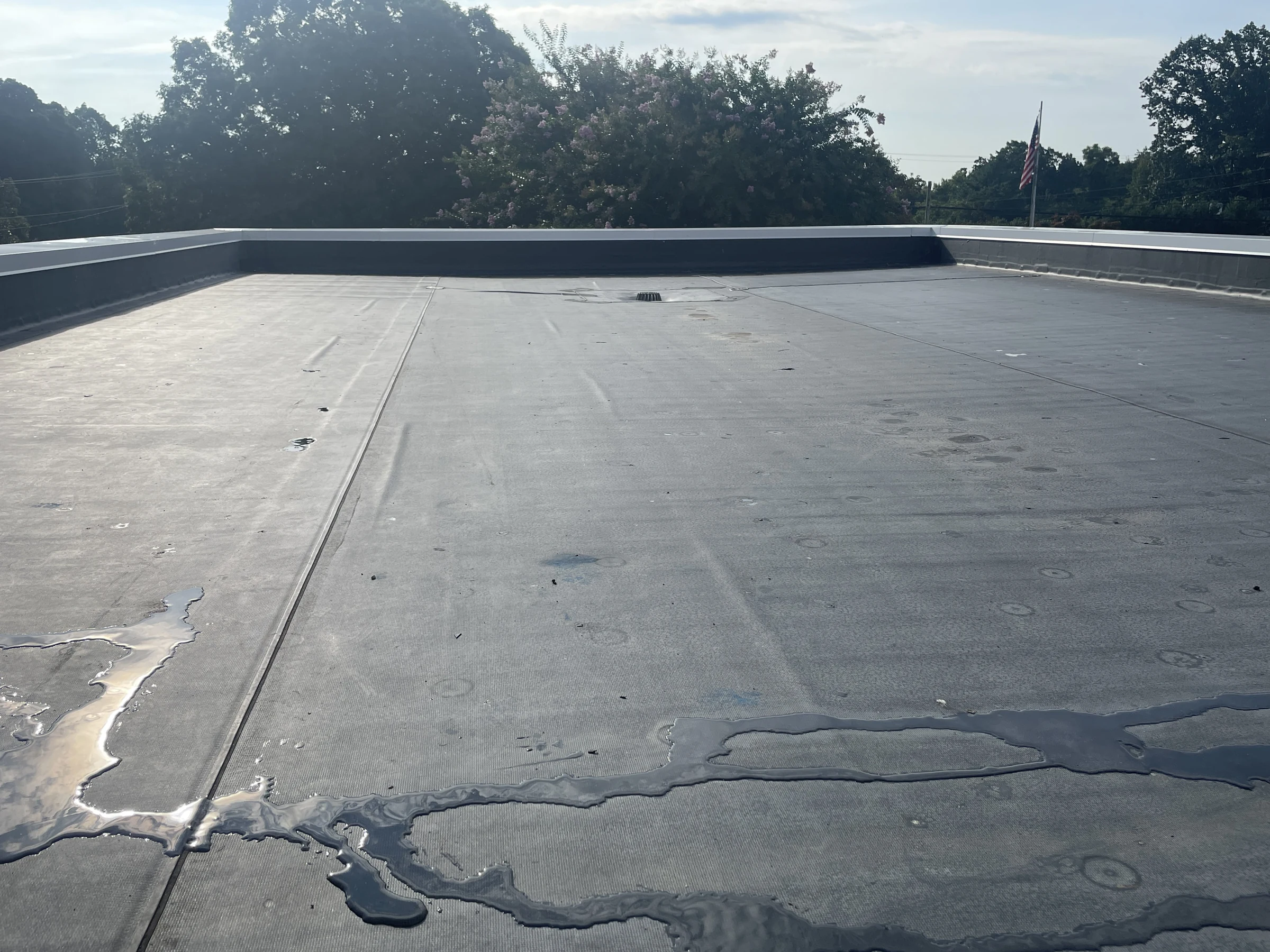
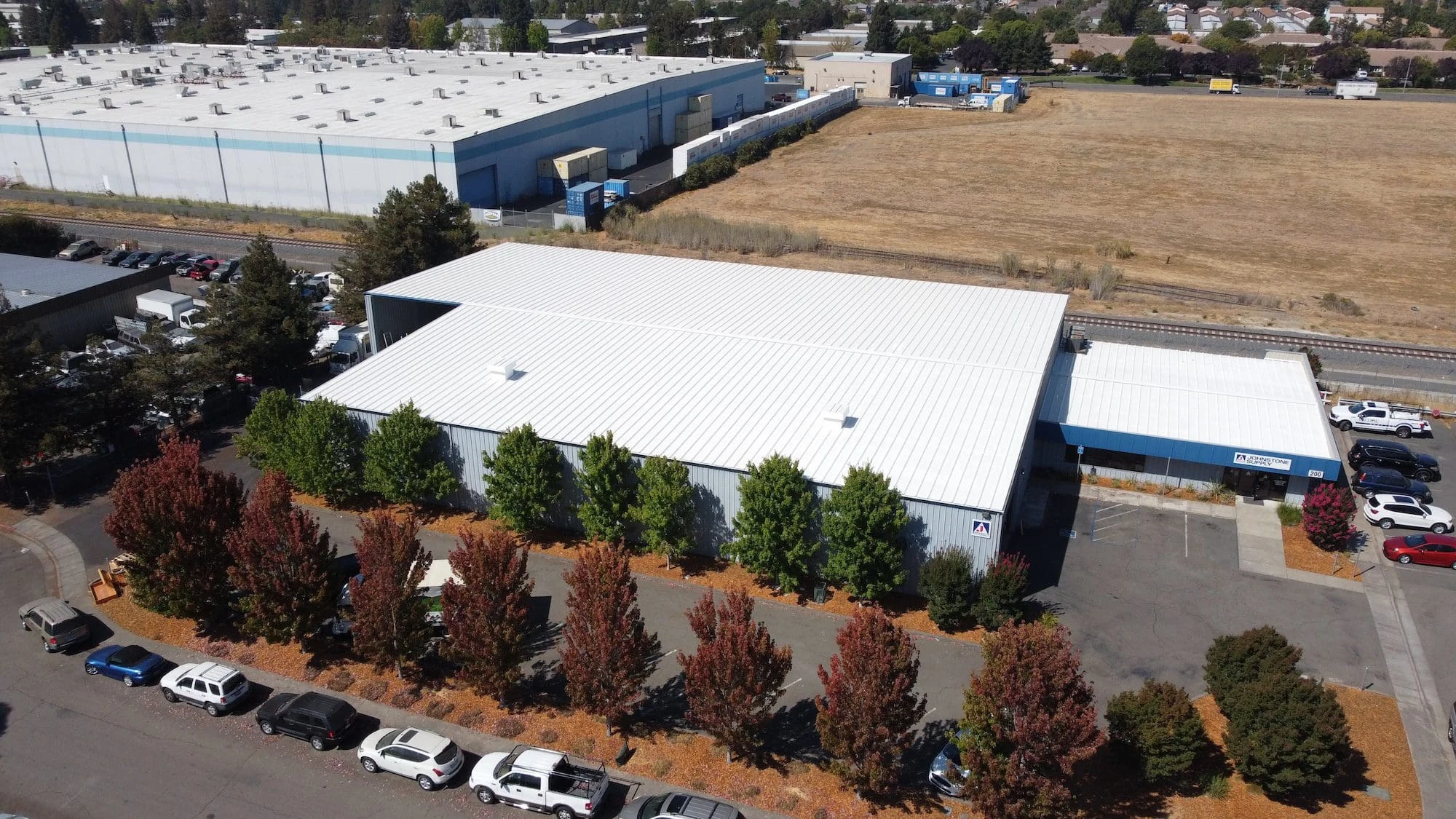
Wind failure on a commercial roof rarely starts in the open field. It starts at a detail: an edge metal seam that lifts, a coping cap that works loose, a mechanically fastened membrane edge where the fastening pattern was already marginal before the storm added load. On buildings toward the DIA and E-470 corridor, where roof fields are large and exposed with fewer wind breaks than a denser part of the metro, edge and perimeter zones see the highest wind loading.
Our documentation for a wind claim checks edge securement, fastener pattern, flashing attachment, and any rooftop equipment curbs specifically, rather than treating the assessment as a general roof walk. That's where the evidence for a wind-driven claim tends to live.
Documenting a Wind Claim When There's No Obvious Hole
Wind damage doesn't always announce itself the way a punctured membrane does. A membrane edge that's lifted and been re-seated by the wind itself, or fasteners backed out under repeated gust loading, can look almost normal until you know what to check for. We document those less obvious failure points with close-up photos and, where useful, measurements of how far an edge has pulled from its original fastening line.
That level of specificity matters for a claim reviewer trying to confirm that reported damage traces to a documented wind event rather than gradual wear, which is a distinction carriers look at closely on wind claims specifically.
- Edge metal, coping, and perimeter fastening inspection
- Membrane uplift and fastener pattern documentation
- Rooftop equipment curb and flashing attachment check
- Damage dated against the specific wind event reported
- Distinction between chinook wind events and summer storm wind
- Full repair scope for perimeter and field damage identified
Wind & Storm Claim Questions From Aurora Building Owners
How is wind damage different from hail damage on a claim?
Wind damage typically concentrates at edges, seams, and fastening details rather than across the open field the way hail impact does. Our documentation for a wind claim focuses specifically on those perimeter and attachment points.
Do chinook windstorms cause insurable roof damage?
They can. Sustained high wind from a chinook event stresses membrane edges and fastening systems even without hail involved, and that damage is documented the same way any other wind event would be.
What if a roof has been through more than one wind event this year?
We document damage against the specific event being claimed where possible, noting any prior wind exposure separately so the current claim isn't tangled with an earlier one.
Will you tell me what my wind claim is worth?
No. We document the damage and provide a repair scope and cost estimate. What the claim ultimately settles for is a determination your carrier makes based on your policy.
Can you be on site when the adjuster reviews wind damage?
Yes. We coordinate with the building owner and the adjuster's office to be present and point out documented damage and explain how the specific failure occurred.