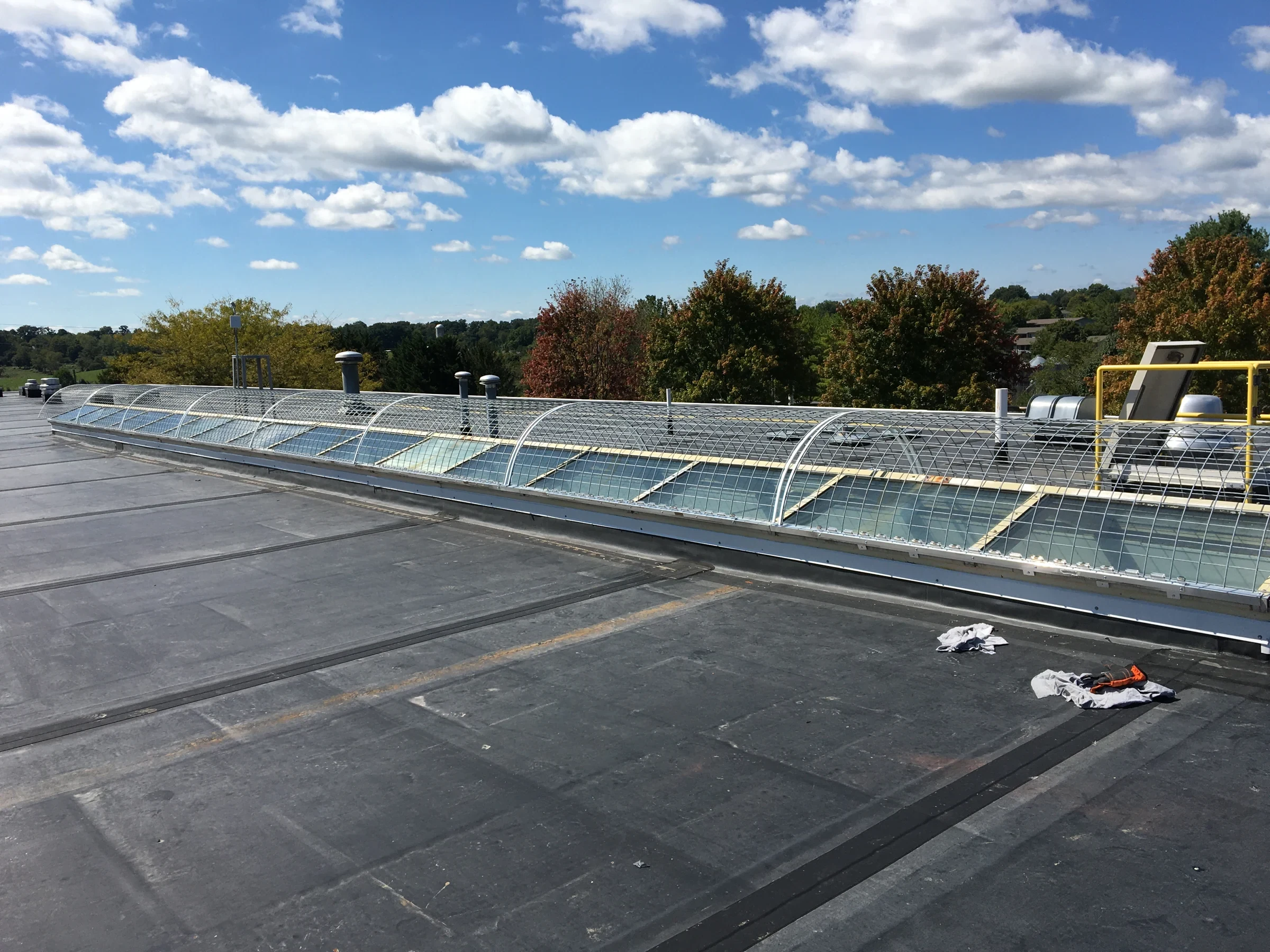
The Number That Decides Recover vs Tear-Off
Every aging roof in this territory -- a warehouse near Commerce City on its second membrane layer, a business park building in Meridian that's never been touched since it was built -- eventually reaches the recover-or-tear-off decision. That call comes down to a handful of specific findings, not the roof's age by itself, and this page walks through how we make it.
What a Recover Actually Saves an Owner
Installing a new membrane over an existing, sound roof assembly skips the demolition, disposal, and interior protection cost that a full tear-off requires. It also keeps the building weathertight throughout the project instead of exposing the deck during construction, which matters on an occupied warehouse or office building where downtime has its own cost.
On a large distribution roof along the DIA corridor, disposal cost alone can be a meaningful share of a tear-off budget once you're hauling away acres of old membrane and insulation. A recover that qualifies removes that line item almost entirely.
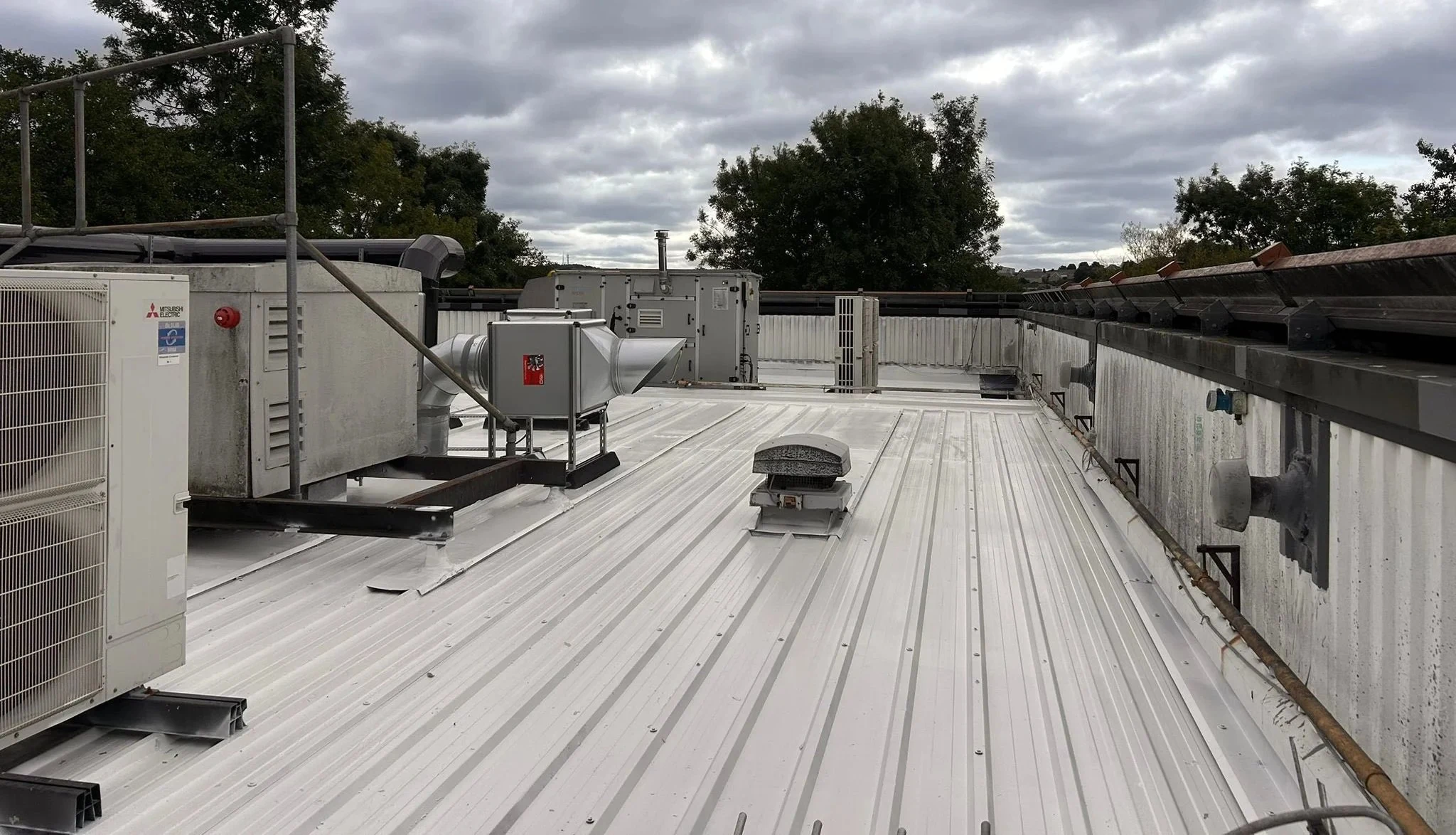
Rooftop equipment resets add cost either way, but a recover usually means fewer of them. Curbs, condensers, and exhaust fans that would need to come off and go back on for a tear-off can often stay in place with minor flashing modifications during a recover, which trims both labor hours and schedule risk out of the project.
The Moisture Scan Is What Actually Decides It
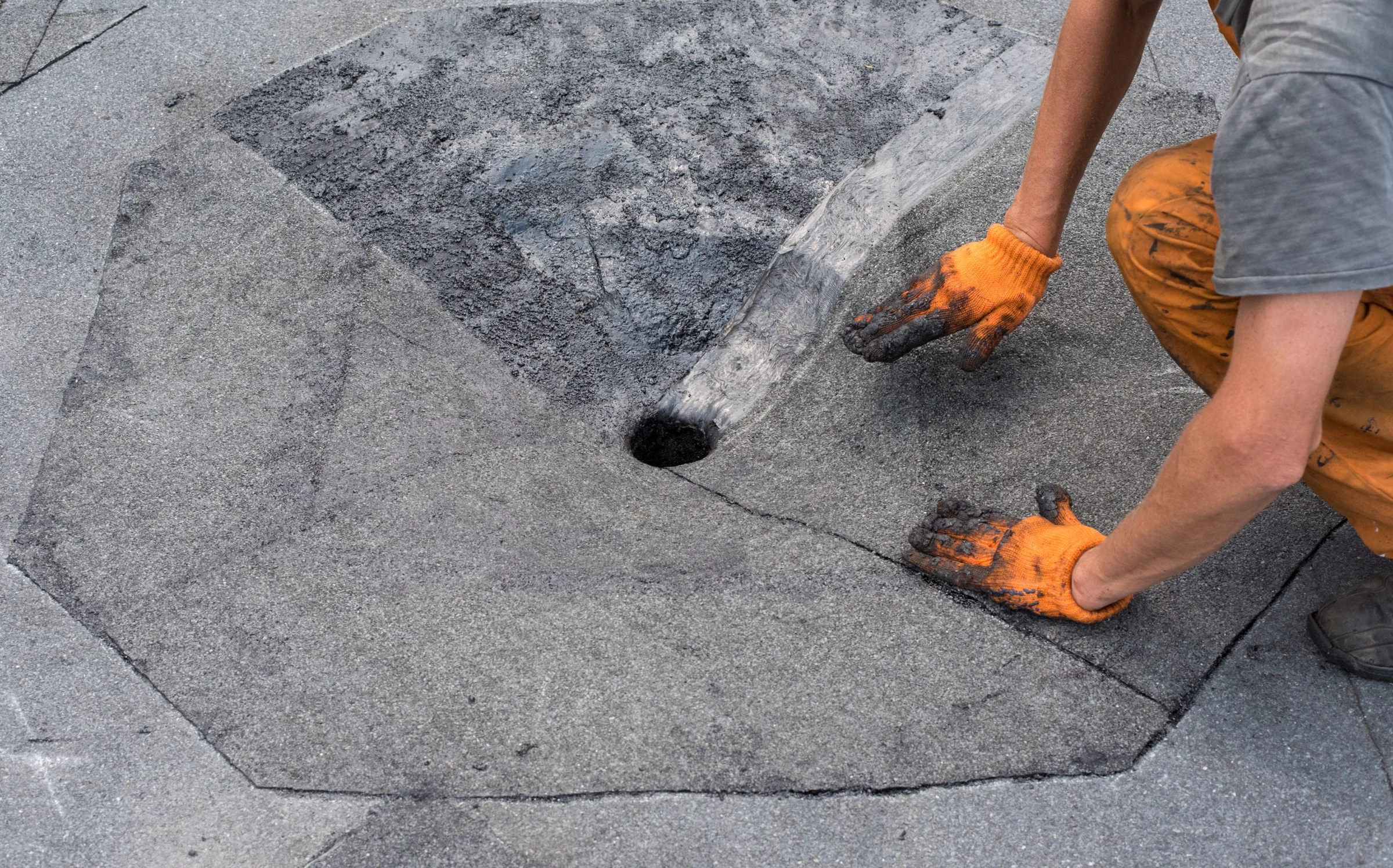
We run a moisture scan across the existing roof before recommending recover or tear-off, full stop. Dry insulation and a sound deck mean recover is usually the right economic call. Wet insulation anywhere in the field means tear-off is the only honest recommendation, because a new membrane welded over trapped moisture doesn't fix the problem -- it just hides it under a warranty that won't cover the eventual failure.
- Moisture content of existing insulation across the field
- Number of existing membrane and insulation layers already in place
- Deck condition underneath the current roof assembly
- Drainage slope and whether ponding areas need correction
- Code limits on how many roof layers a building is allowed to carry
- Rooftop equipment that would need to be reset either way
Building code typically caps how many roof layers can stack up before a tear-off is required regardless of moisture condition, and older buildings that have already been recovered once may already be at that limit.
Older business park buildings around Meridian and Inverness are the ones most likely to already be sitting at that layer limit, since several were recovered once already back when the original membrane first aged out. We check permit and roof history before quoting in addition to current field condition, since that history can eliminate recover as an option before the moisture scan even runs.
Recover After a Hail Claim: A Different Kind of Decision
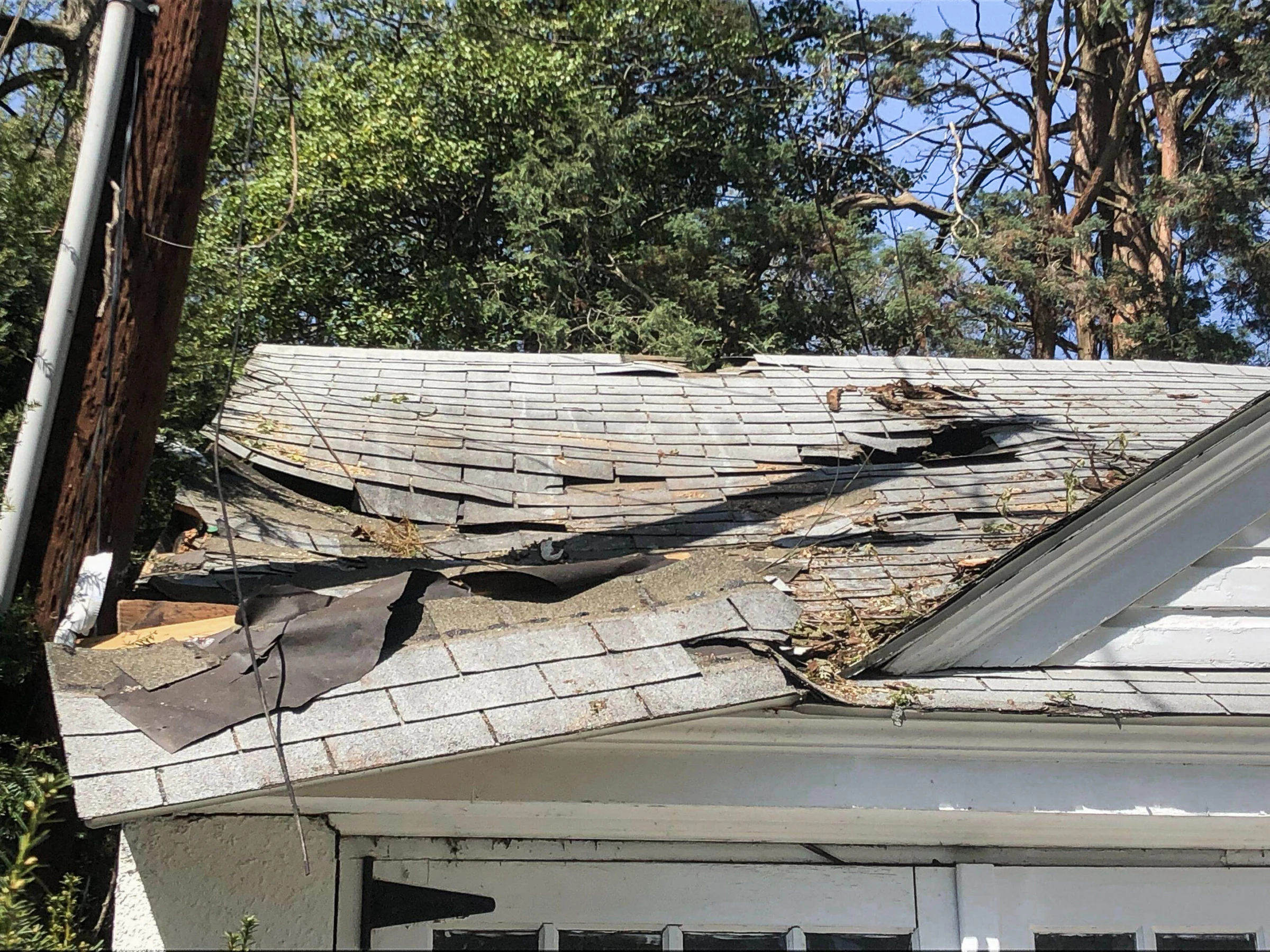
Storm damage changes this calculation. A roof that would have been a good recover candidate before a hailstorm may come out of that storm with widespread membrane damage that pushes the decision toward tear-off, even if the deck and insulation underneath are still dry. We document storm damage separately from routine wear so an owner and their adjuster can see exactly what the storm changed about the roof's condition.
Partial repair after a hail event is sometimes the right interim step while a larger recover or replacement gets budgeted, rather than committing to a full project immediately after a claim. See our insurance documentation page for how we support that process.
Lifecycle Cost: Comparing Recover Against Full Replacement
A recover typically costs less upfront but may deliver fewer additional years of service life than a full tear-off and replacement with new insulation and a corrected drainage slope. We run both numbers -- cost per project against expected years of service -- so an owner can weigh a lower upfront number against a longer-term investment rather than defaulting to whichever option sounds cheaper on its face.
For an owner managing a portfolio across several buildings in this territory, that comparison often varies property by property depending on how each roof was built and maintained, which is why we run a fresh moisture scan on every building rather than assuming one answer applies across a whole portfolio.
Questions About Recover and Overlay Decisions
How do you know if a roof already has too many layers to recover again?
We check existing layer count against current code limits during the site survey. A roof already at its layer limit needs tear-off regardless of moisture condition.
Does a recover come with the same warranty as a full tear-off?
Warranty terms depend on the manufacturer and the condition of the existing roof at the time of recover. We review those terms with the owner before committing to either approach.
Can you recover a roof that has some wet insulation but not all of it?
Sometimes, by cutting out and replacing just the wet sections before recovering the rest. Whether that's cost-effective depends on how much of the field is actually affected.
Does a recover fix ponding water problems?
Not by itself. If drainage correction is needed, we typically add tapered insulation as part of the recover to address the slope at the same time.
How soon after a hailstorm should we decide between recover and replacement?
As soon as the inspection and documentation are complete. Waiting too long can let secondary damage from exposed areas compound the original storm damage.